
Why does polished concrete have small holes? Pitting explained
Small holes are the most common surprise when people first see their floor. They are air pockets that were always in the concrete. Here is why they appear, which ones can be filled, and how to reduce them on a new slab.
By Jeremy Thomason. Updated .
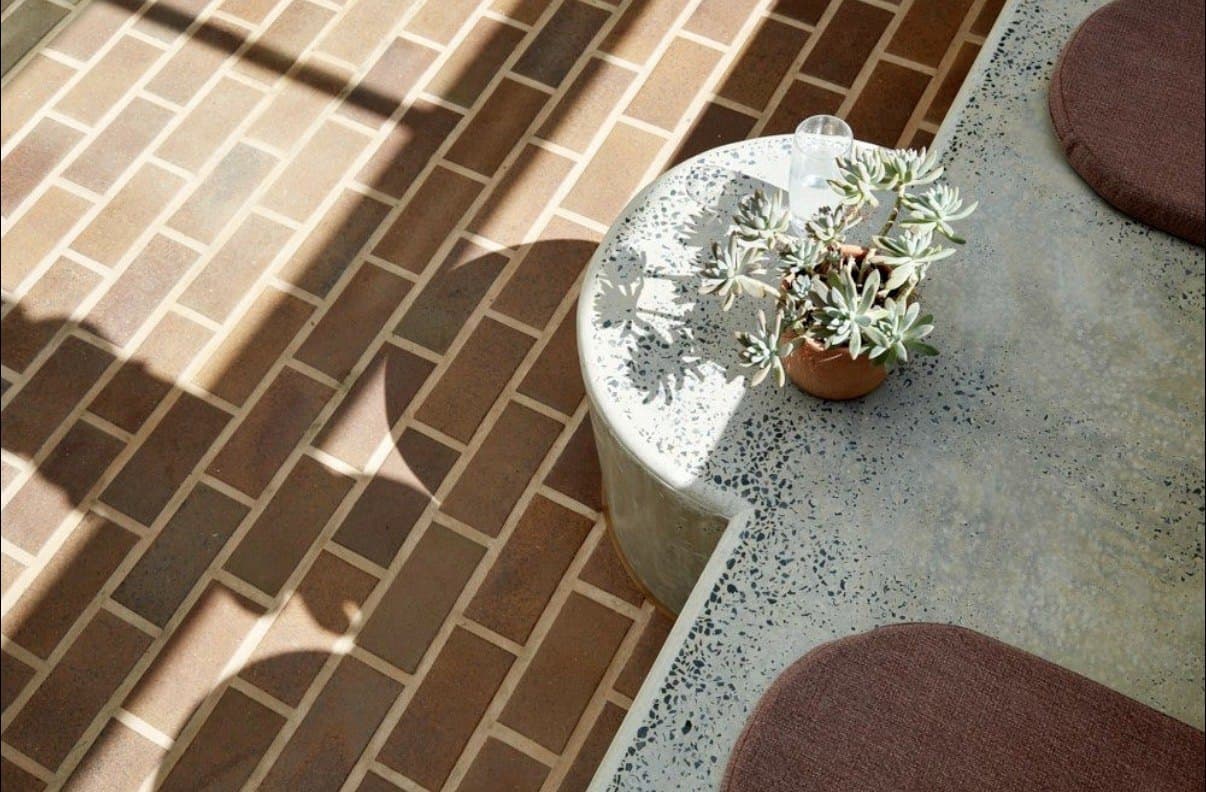
Concrete is not solid all the way through. As it is placed, small pockets of air get trapped in it. When we grind into the surface, we open those pockets, and they appear as small holes. This is called pitting, and it happens on almost every ground floor.
It is not damage and it is not a defect. The holes were there before we started - grinding just reveals them.
Why some floors have more
- Depth of grind. The deeper we go, the more of the slab we open, so full stone exposure shows more holes than a light grind.
- The mix. Some mixes trap more air than others.
- Placement and compaction. How the concrete was placed and vibrated affects how much air stays in.
- Age and history. Older slabs often have patches, repairs and weak spots that show once the surface is opened.
What we fill, and what we cannot
During grinding we fill holes with a filler mixed with dust cut from your own floor, so the colour is as close as it can be. Most small holes take a fill well.
- Small, shallow holes: filled and ground back flush. Usually hard to spot afterwards.
- Larger holes: filled, but the fill can be visible at the right angle or in raking light.
- Deep or wide voids, and holes in the wrong spot - right on an edge, say: some cannot be filled cleanly. They stay as part of the character of the floor.
Some holes open up again after the first fill as we go deeper, so filling happens more than once on most floors.
How to reduce pitting on a new slab
Most of it is decided on pour day. A slab specified and placed with polishing in mind will show less. Talk to us at plans stage and we will brief your concreter. Choosing a lighter exposure also helps, because we open less of the slab.
Why we talk about it before the job
Pitting is the most common reason people are disappointed with a polished floor, and almost always because nobody mentioned it beforehand. We show it to you on the sample made on your own slab, and we write it into the quote, so there are no surprises on handover day.